How to Pick the Best Kids Camping Sleeping Bag
Find the best kids camping sleeping bag by comparing temperature ratings, height limits, packed weight, and child-friendly features like bottom zippers and hood cinches.
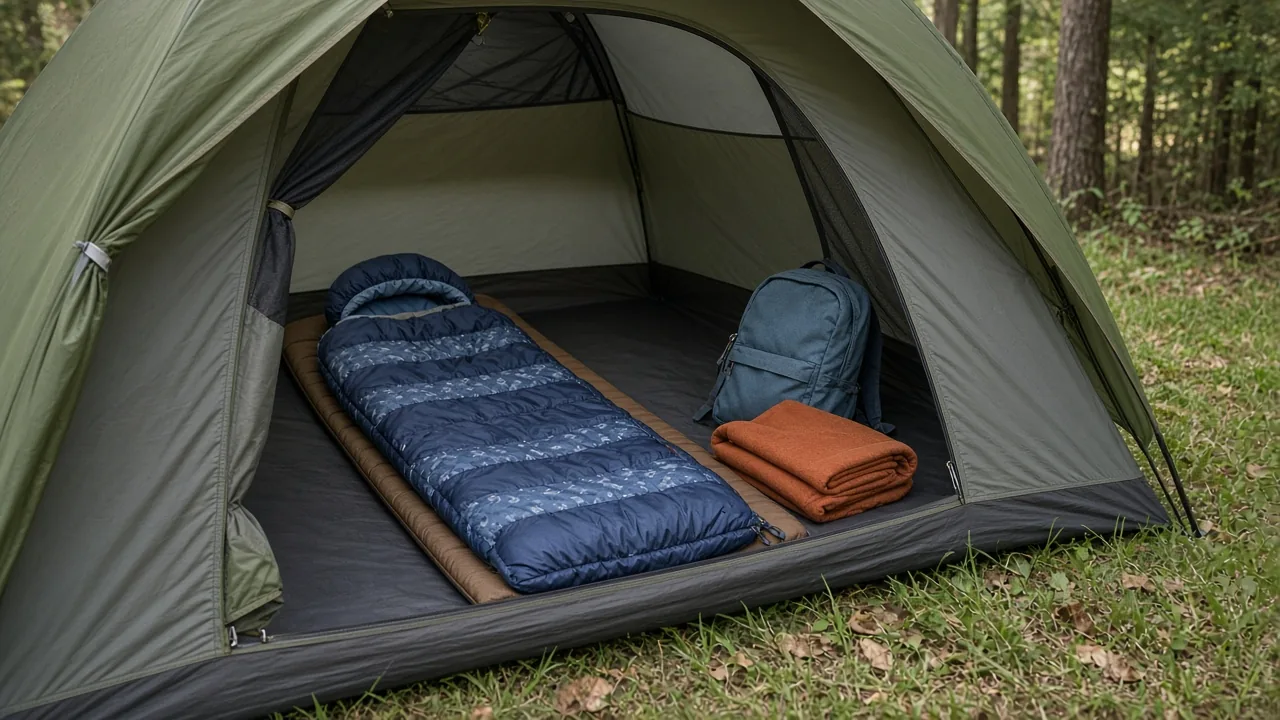
The best kids camping sleeping bag is one that matches your forecast overnight low, your child’s measured height, and whether the bag rides in a car trunk or on a kid’s backpack. You choose by comparing temperature ratings, packed weight, and child-specific features such as bottom zippers and hood cinches. Then you prep the bag at home so insulation has time to loft before the first night.
Set the Right Temperature and Weather Window Before You Shop
Temperature and rain chance decide more than any feature list. A bag that looks warm on a product page can fall short at a chilly campsite if you never check the overnight low.
Read the Temperature Rating as a Range, Not a Promise
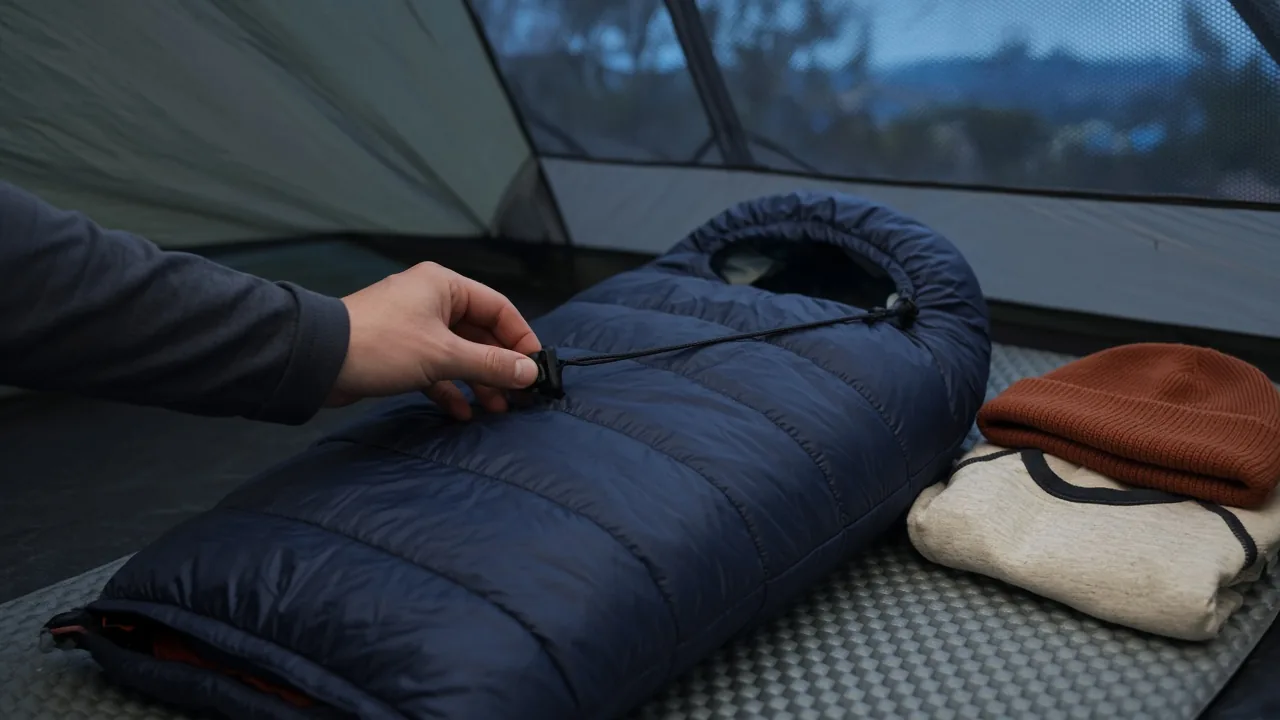
A kids bag rated 40–77°F or 50–77°F describes a working window, not a guarantee your child stays warm at every reading on the tag. Check the coldest forecast for your specific site and add a clothing layer when the low sits near the bottom of that range. A bag rated 40–77°F works for shoulder-season nights that stay above roughly 40°F, but it is not a winter bag when the forecast dips toward freezing. Treat the number as a planning tool, not a safety certificate.
Skip Indoor Nap Mats for Camp Use
Primle’s nap mat is built for indoor care: an integrated pad, blanket, and pillow with a minky dot lining and a 4.5-inch thick pillow. It rolls up neatly and has a carry handle. But a nap mat lacks outdoor waterproofing and low-temperature insulation. Bring it to a campground, and dew plus cold ground will undo the comfort quickly. For outdoor camp use, choose a bag with a shell and fill that can handle open air and ground contact.
Match the Bag Length and Width to Your Kid's Height
A bag that fits poorly wastes warmth and wakes the child. Height matters more than age, and a little room for growth helps, but too much extra space works against you.
Use Height Limits, Not Age Labels
Manufacturer height limits tell you more than the age printed on the box. Tin Ki states a fit for children under 4.6 feet, about 140 cm. Tuin is described as sized for children and young teens. A practical sizing rule is to compare your child’s height plus about 10 cm against the listed bag length. One reader asked whether a 180 cm person using a 190 cm sleeping bag feels cramped; in that case, the extra 10 cm works, but kids-specific cuts often run narrower through the shoulders and hips. Compare height limits and width specs rather than buying by age.
Leave a Little Room for Growth
A bag that fits now with about 4 extra inches of length lets a growing child use it another season or two. But too much extra space means more air the child’s body has to warm, which can make a bag feel colder. The goal is roughly height plus 10 cm in total bag length: enough room to move without creating an oversized cold pocket. Oversizing too far trades warmth for longevity.
Balance Pack Weight and Warmth for the Trip Type
Car camping and backpacking pull you in opposite directions on weight. Know which trip you are planning before you compare specs.
Prioritize Warmth and Room for Car Camping
For car camping, weight matters less because the bag travels by vehicle, not on a child’s back. Choose a heavier bag with a wider cut and full-length zipper if your kid sleeps cold. The extra insulation and space are worth more than saving a pound when you only carry the bag from trunk to tent. Room to roll over and pull knees up also reduces midnight wake-ups.
Prioritize Packed Size and Shoulder Carry for Backpacking
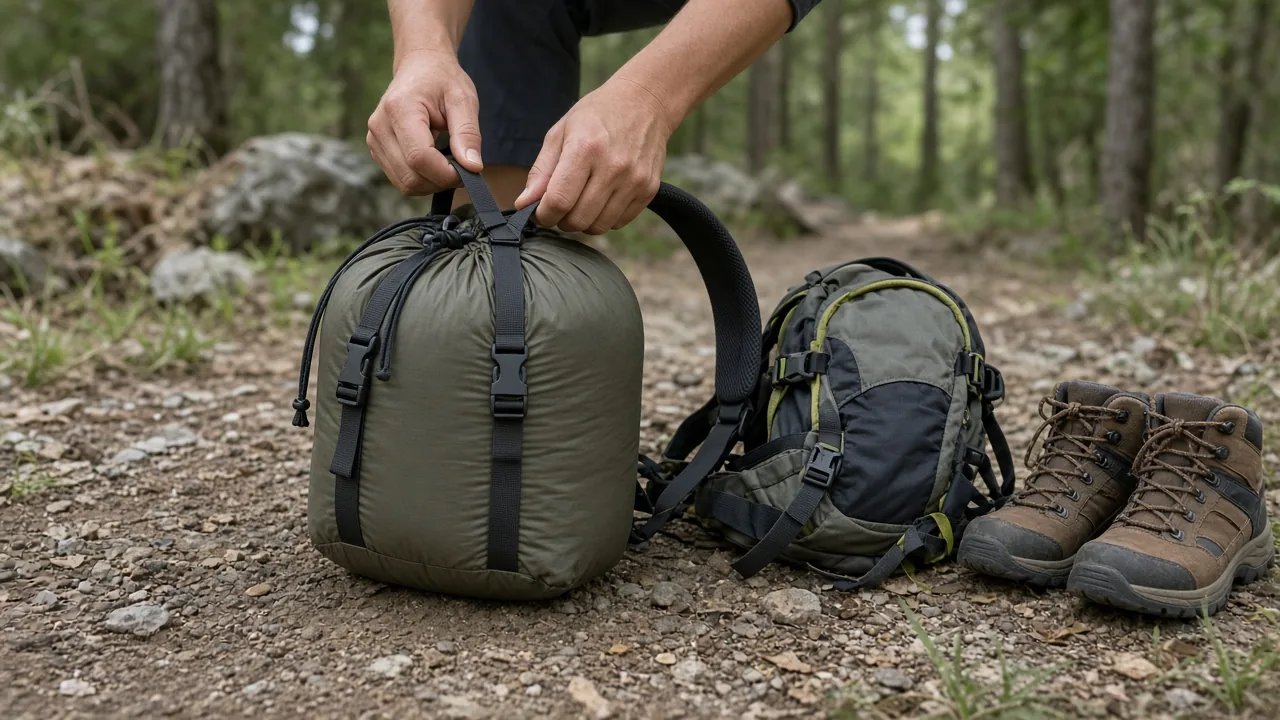
Backpacking reverses the priority: weight and packed size become the bigger decision. A bag in the 2–3 pound range, like Malloie at about 3 pounds or Tin Ki at slightly over 2 pounds, lets a child carry part of the sleep system without overloading. Shoulder straps or a backpack-style compression sack help distribute the load across small shoulders. The tradeoff is real: Malloie’s lightweight design described in its specs means it may feel cooler than a heavier, non-backpacking insulated model.
Add Layers, Not Heaters, When Nights Dip
If a bag feels cold on the first night, add a pad underneath, a warm hat, or a base layer before changing the bag. Never use a stove or heater inside your tent. Carbon monoxide and fire risk inside a tent outweigh any warmth gain, even with ventilation. Add insulation instead of combustion.
Check Child-Friendly Features That Affect Setup and Sleep
Zippers, hoods, and carry systems solve the problems that wake kids at night and slow you down at the trailhead. Look for features that match how your child actually sleeps.
Ventilation and Zipper Safety
Oaskys includes a bottom separating zipper so a child can poke out feet when the bag feels warm. Tuin uses a two-way zipper that opens flat as a blanket for warmer nights or sleepovers. Anti-catch coil zippers reduce the midnight fights with stuck fabric that wake up the whole tent. A hood cinch lets you close the top around the head when temperatures drop and open it when the night warms.
Carry and Compression for Kids
A bag a child can carry becomes a bag they are more likely to manage on the trail. Tin Ki’s stuff sack has straps that widen into a backpack-style carry, and Tuin includes a backpack-style compression sack. A separate compression sack cuts packed size in the car or pack. For car camping, the carry feature is less important; for backpacking, it can mean the difference between a kid carrying their own sleep system or handing it to you.
Best Kids Camping Sleeping Bag Shortlist: Compare Specs and Use Cases
A side-by-side look helps cut through the marketing copy. The table below lists what each model offers in weight, temperature range, shell, and whether it suits car camping or backpacking.
| Model | Weight | Temperature Range | Shell / Waterproofing | Best Use |
|---|---|---|---|---|
| Oaskys | Not stated | Three-season (spring–fall) | 210T ripstop polyester shell, water-resistant and breathable | Warm three-season car camping trips |
| Malloie | About 3 lb | 50–77°F | Waterproof hex-tech shell | Weight-conscious backpacking |
| Tuin | Not stated | 40–77°F | Waterproof breathable polyester shell | Kids who want a flat-open blanket for warm nights or sleepovers |
| Tin Ki | Slightly over 2 lb | Not stated; high-loft hollow cotton fill | Not specified as waterproof | Smaller kids under 4.6 ft who carry their own gear |
| Primle | Not stated | Indoor use only | No outdoor waterproofing | Indoor nap mat, not camping |
Who Each Bag Suits and Who It Doesn’t
Oaskys suits warm three-season car trips where a bottom zipper and hood matter more than ultralight weight. It does not suit kids who want cartoon prints or a packable backpacking option. Malloie suits weight-conscious backpackers who camp in the 50–77°F range, but not cold sleepers or below-freezing forecasts. Tuin suits kids and young teens who want a flat blanket for warm nights or sleepovers, not deep cold. Tin Ki suits smaller kids under 4.6 feet who carry their own gear, but not taller kids who are already near the length limit. Primle suits indoor daycare naps, not outdoor camp use.
What the Comparison Reveals
No single bag wins all three of weight, warmth, and child fit. Lightweight bags like Malloie cut pack weight but run cooler. Wider, heavier bags suit car camping but burden a backpacking kid. A bag that fits a five-year-old today might not fit next summer. The right pick depends on whether overnight lows stay above roughly 50°F and whether your kid is carrying the bag or you are.
Prep, Store, and Care for a Kids Sleeping Bag Before You Go
A bag pulled straight from a stuff sack on the first night underperforms. Loft comes from fill that has room to expand, so prep starts at home.
Restoring Loft After Unpacking
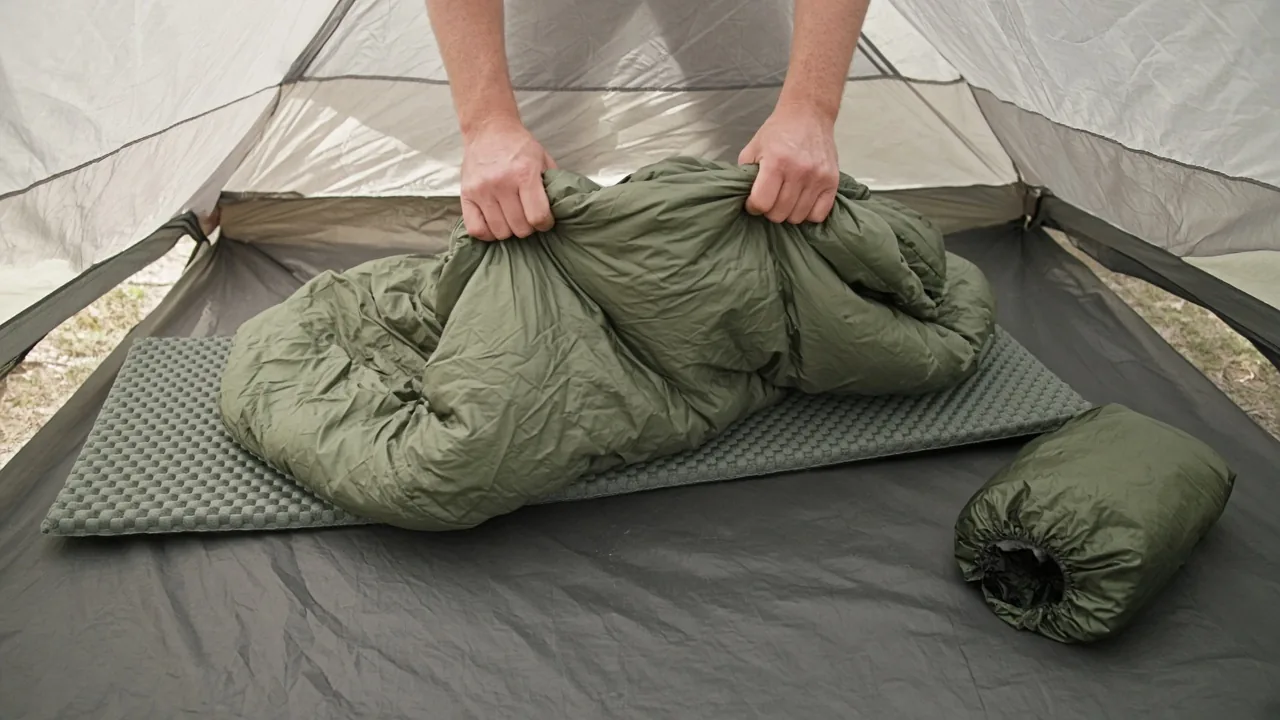
If your child’s bag arrives vacuum-packed or tightly compressed, open it at least 24 hours before departure. Tin Ki is described as needing a full 24 hours to regain its expected loft. Primle’s nap mat may look thin at first and should be washed and shaken to regain thickness. Schedule this prep at home, not at the trailhead, so the fill has time to expand fully before the first night.
Cleaning and Storage
Machine-wash the bag when it is genuinely dirty and air-dry it. Storing a bag crammed in a stuff sack for months flattens insulation. Store it loosely, either flat or in a large storage sack, so the fill keeps its loft. A bag with flattened fill is simply less warm, not because the rating changed, but because the insulation has less air trapped in it.
Troubleshoot Common Kids Sleeping Bag Problems
When the bag fails on the first night, start with the checklist below before swapping gear.
Child Says It’s Too Cold or Too Hot
If your child feels cold, first check the bag’s temperature range against the forecast. A bag rated 40–77°F does not cover below-freezing nights. Add a sleeping pad underneath, use the hood, and put on a hat before assuming the bag is defective. If the child feels too hot, open the bottom zipper for foot ventilation or use a two-way zipper to open the bag flat on warmer nights.
Bag Feels Cramped or Too Short
Check whether your child’s height plus about 10 cm fits the listed bag length. A 190 cm adult bag works for a 180 cm user, as one reader noted, but kids-specific cuts may run narrower through the shoulders and hips. If the bag is tight at the shoulders or feet, compare height limits before blaming the age label. A bag that is too short traps arms, compresses insulation, and reduces loft.
Bag Looks Flat After Shipping
Vacuum-packed fill needs washing or roughly 24 hours of air to expand. Do not judge warmth until the bag has fully lofted. A flat, just-unboxed bag will read as cold because the fill has not trapped air yet. Give it time, or follow the manufacturer’s washing instructions if it still looks thin after a day.
Before packing, decide whether the trip is car camping or backpacking, check the forecast overnight low and rain chance, and compare those numbers against the bag’s temperature rating and weight. If the bag earns a spot, pair it with a matching sleeping pad; a pad adds ground insulation and helps the bag perform closer to its rating. A hood and full-length zipper that fit well matter more than an extra pound of fill when the night stays above the bag’s listed range.
This article is general information about camping gear, not professional safety, medical, or wilderness training. Check fire restrictions, weather, and campsite rules before you go, and follow the manufacturer's instructions for your own equipment.
FAQ
What temperature rating should I look for in a kids camping sleeping bag?
Check the coldest overnight low for your specific campsite. A bag rated 40–77°F works for shoulder-season nights that stay above about 40°F, but it is not a winter bag if the forecast dips toward freezing. Add a clothing layer when the low sits near the bottom of the range.
How do I choose the right size sleeping bag for my child?
Compare your child’s measured height plus about 10 cm against the listed bag length rather than relying on age labels. Leave about 4 extra inches for growth, but avoid too much extra space because it creates a cold pocket the body must warm.
Should I choose a lightweight kids sleeping bag for car camping?
No, for car camping you can prioritize warmth, room, and a full-length zipper over weight because the bag travels by vehicle. Lightweight bags are better for backpacking when a child carries part of the sleep system.
What should I do if a kids sleeping bag looks flat after unpacking?
Open vacuum-packed or tightly compressed bags at least 24 hours before departure so the fill can loft. If it still looks thin after a day, follow the manufacturer’s washing instructions. A flat, just-unboxed bag will read as cold because the insulation has not trapped air yet.
Can I use a nap mat for camping instead of a sleeping bag?
No, nap mats like the Primle are built for indoor care and lack outdoor waterproofing and low-temperature insulation. Dew and cold ground will undo the comfort quickly, so choose a bag with an outdoor shell and fill for camp use.